
The Best Rogue Operators Are Made, Not Born
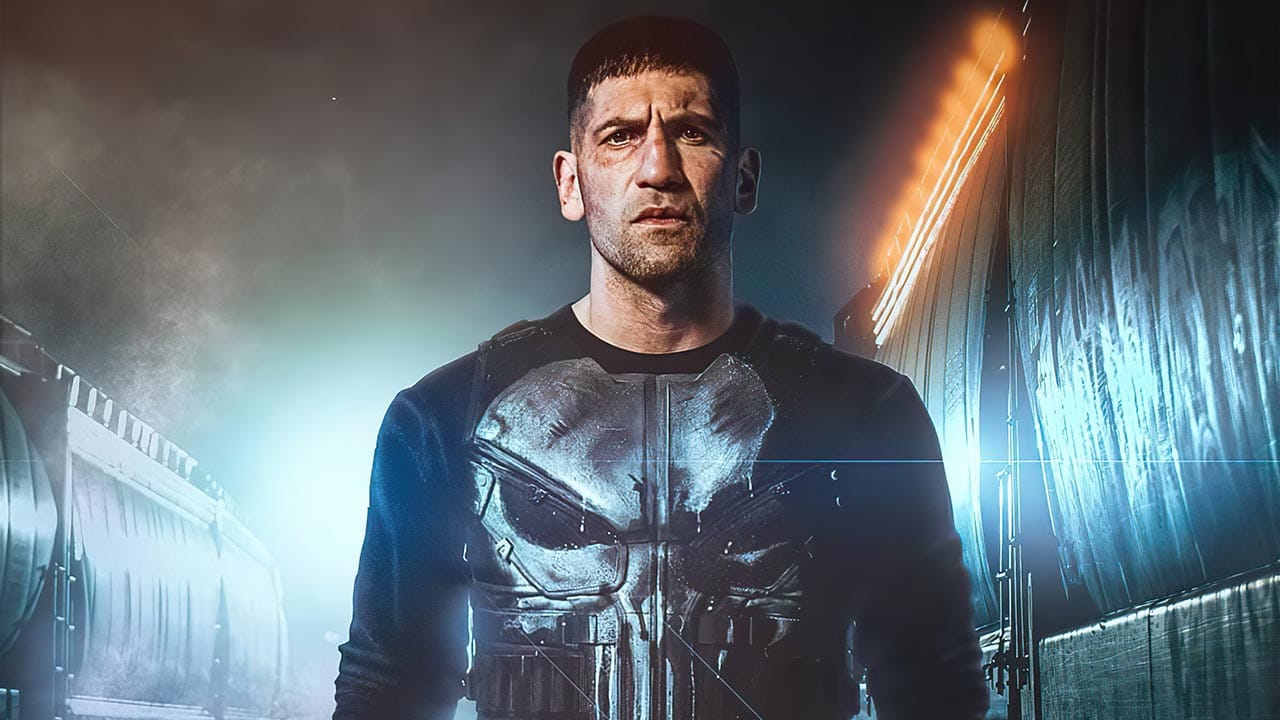
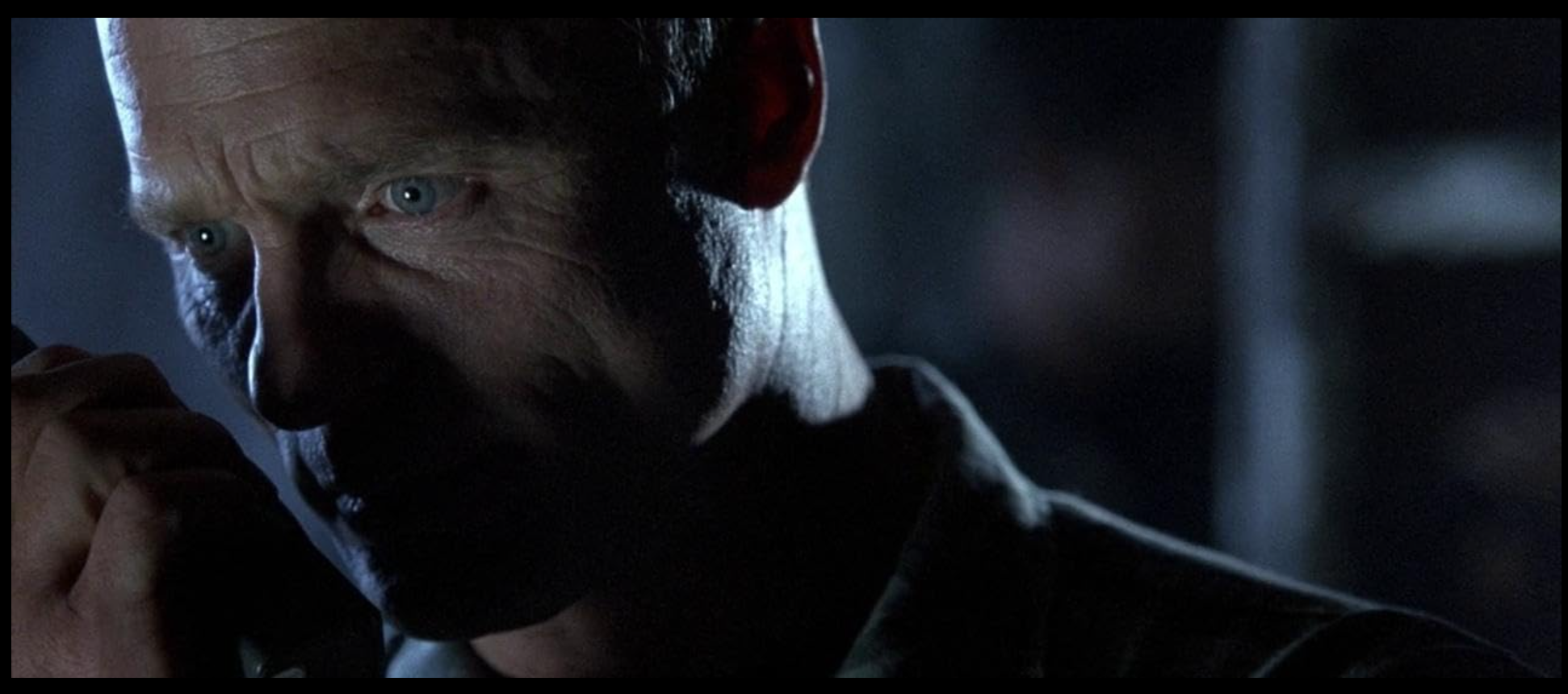
There’s a scene near the end of the first season of Netflix's The Punisher where Frank Castle, played with terrifying sincerity by Jon Bernthal, finally gets the full truth about what happened to his family. He already knew they were gunned down in Central Park. He already knew it was staged to look like gang crossfire. What he learns, in that gutting final stretch of the season, is that his own commanding officer and a CIA operative orchestrated the entire massacre to bury an illegal heroin operation they'd been running in Afghanistan. Castle's wife, his son, his daughter—all of them were killed as part of a cleanup operation designed to protect men who outranked him. His best friend, Billy Russo, knew it was coming and said nothing.
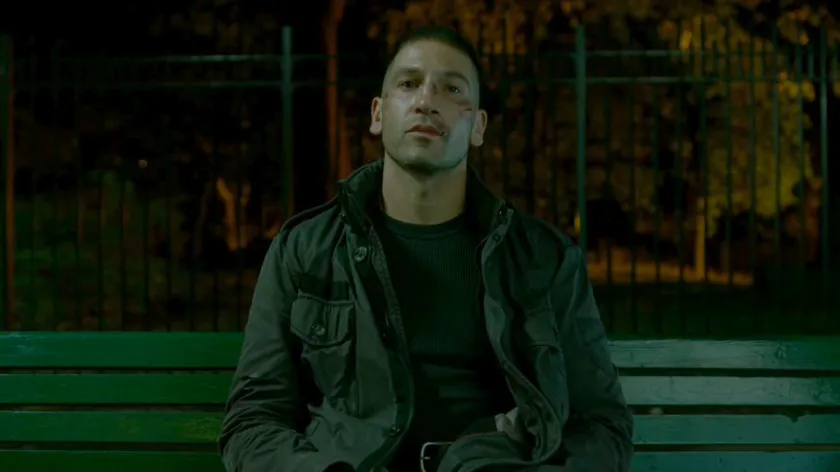
The system that asked Frank Castle to kill on its behalf, that deployed him in a black ops unit so classified it didn't officially exist and expected obedience, turned its full institutional weight against his family when he became inconvenient. And the audience, rather than recoiling from the bloodbath that follows, leans in. They want Frank to find every last person responsible and make them pay.
This is the engine that powers the entire rogue operator genre. The best of these characters share a biography so consistent it functions as a thesis statement about the relationship between individuals and the governments that use them. They were all believers once. They all served. They all trusted that the institution on the other side of their sacrifice would, at a bare minimum, refrain from destroying them. And every single one of them discovered, usually in the most violent way possible, that the deal was never real.
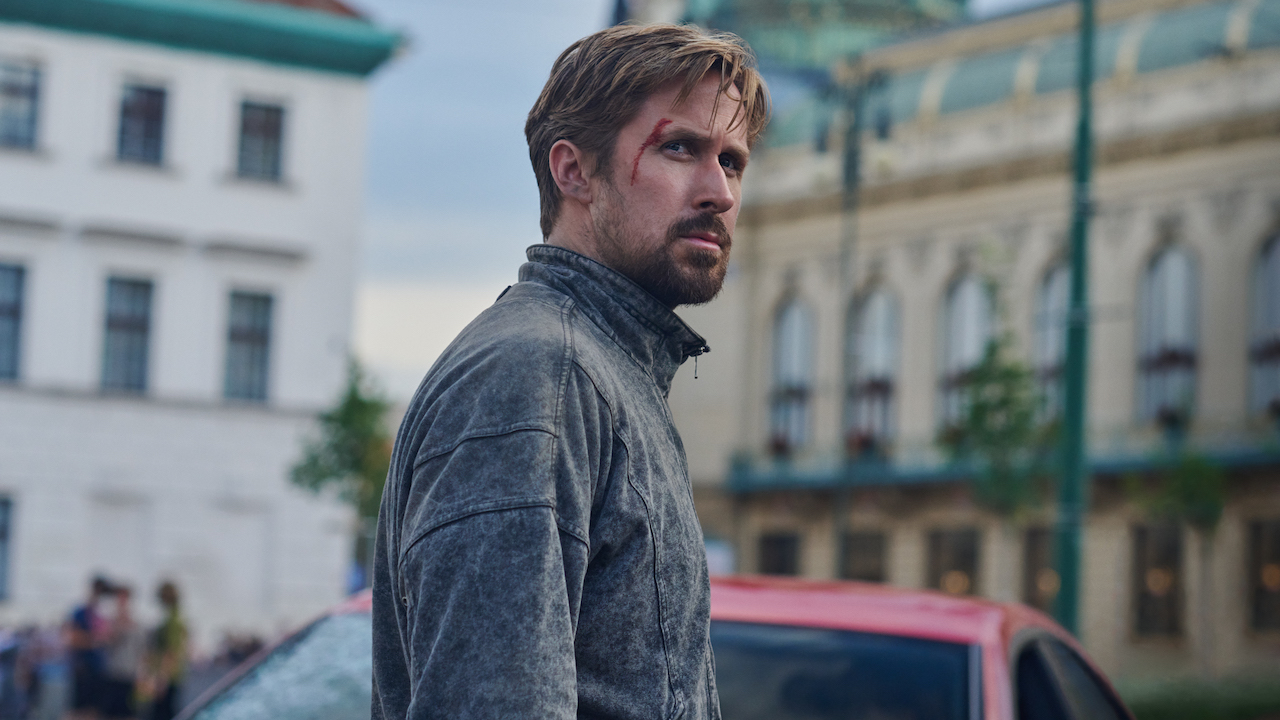
Similar to Frank Castle, Jason Bourne was a volunteer. He allowed the CIA to condition his mind, strip his identity, and turn him into a precision instrument of state-sanctioned killing because he believed, or was made to believe, that it served something larger than himself. Court Gentry, Ryan Gosling's Gray Man, wasn’t exactly a volunteer but was rather recruited out of a federal prison cell by a senior CIA official who offered him freedom in exchange for becoming Sierra Six, a ghost who lived and killed in the shadows.All of them, Castle included, entered into essentially the same contract. They gave up something enormous, their autonomy, their identity, in some cases their conscience, and the implicit promise on the other end was always identical: we will use you, but we will not discard you. We will ask terrible things of you, but we will not punish you for doing them.
What makes the genre work, and what makes it resonate so deeply with male audiences in particular, is the specificity of how that promise gets broken.
Bourne's handlers didn't cut him loose when his conditioning began to fracture, allowing him to live in obscurity. They sent kill teams, deciding that the cleanest solution to a malfunctioning asset was a bullet, and when that failed, they sent more bullets. Gentry's sin was even simpler: on a mission in Bangkok, he refused to take a shot that would have killed civilians. One act of basic human decency, a decision any person with a functioning conscience would make, and the agency reclassified him overnight from asset to target. His superior even went so far as to hire a sociopathic mercenary to hunt him across continents, because a government assassin who occasionally asks moral questions is apparently more dangerous than the enemies he was built to eliminate.
Rambo may well be the OG of government betrayal, though his was different. Nobody sent a kill team after John Rambo (at first). They sent him home from Vietnam to a country that spit on its veterans, that offered no parades and no support, and he discovered that the last surviving member of his old unit had died from Agent Orange exposure. When he walked into the town of Hope, Washington, looking for nothing more than a meal, the local sheriff (himself a war veteran, ironically) decided on sight that he was garbage and ran him out of town. The deputies who eventually arrested him hosed him down and beat him, triggering combat flashbacks in a man the U.S. government had spent years training to respond to violence with overwhelming force. Colonel Trautman, the officer who trained him, later delivered the summary judgment to the sheriff leading the manhunt: the government created this man, made him into exactly what he is, and now refuses to take any responsibility for what it built.

The pattern across all of these stories reveals something the genre keeps circling back to, even when Hollywood tries to soften it with one-bad-apple framing. Studios love to position these narratives as stories about individual corruption. Bourne's problem, in the official version, is a rogue program within the CIA. Castle has one dirty commanding officer running an unauthorized operation. But the stories themselves refuse to cooperate with that framing.
Bourne discovers that Treadstone is just one layer of a deeper, institutionally supported program staffed by people who know exactly what it does. Castle's family was killed in a conspiracy that required cooperation across multiple levels of military leadership and active suppression by law enforcement. Gentry's predicament flows directly from the structural logic of the Sierra program itself: recruit disposable people, use them until they become liabilities, eliminate them when convenient. Like the old saying goes: it’s not a bug, it’s a feature.
The institution, in every case, performs exactly as designed. Betrayal is the feature. The operator who fights back is the bug.
The emotional truth underneath all of these fictional betrayals is distressingly familiar to the people watching them.
Consider what every one of these characters learns at the moment of betrayal: they were always expendable. The loyalty they gave was always one-directional. The system collected on its end of the bargain every day they were in the field, performing the violence and sacrificing the parts of themselves that don't come back, and it never once intended to honor what it owed.
Veterans understand this with a clarity that civilians usually don't. The VA backlog alone tells a story about institutional priorities that requires no editorial commentary. But the recognition extends far beyond the military. Anyone who has given years of loyalty to a corporation only to be informed by email that their position has been eliminated understands the dynamic. Anyone who has complied with every demand of a bureaucratic system and been told at the end of the process that the rules have changed understands it.
The social contract between men and institutions, built as it is on an assumption of reciprocity, depends on both sides holding up their end. When one side consistently doesn't, something fundamental breaks, and it breaks in a way that the rogue operator genre captures with uncomfortable precision.
The betrayal is what gives the audience permission to root for men who, in any other context, would be classified as dangerous. Frank Castle's body count would make a cartel lieutenant nervous. Actually, everything about Frank Castle makes boot lickers worldwide nervous, even his own creators at Marvel Comics. In 2022, Marvel stripped the Punisher of his iconic skull logo, replacing it with a demonic oni-inspired design, and folded him into the Hand, a storyline so obviously designed to distance the character from his own identity that it read like an intervention. By the final issue of that series, Castle had been captured by the Avengers, lectured by his dead wife, and shipped off to a fantasy dimension called Weirdworld to care for orphans. The Punisher, Marvel's editorial team announced with visible relief, was no more. They even tried replacing him with a new character, Joe Garrison, an ex-S.H.I.E.L.D. agent, as if the title was the thing people loved and not the man wearing it.
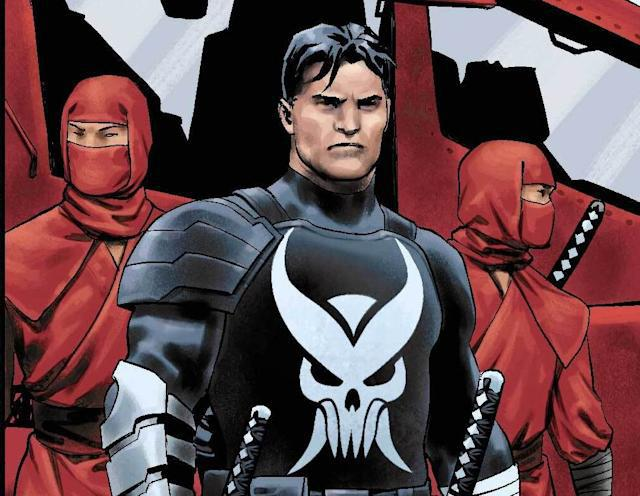
The timing was transparent. Law enforcement and military personnel had adopted Castle's skull as their own, and rather than reckoning with why a character built on institutional betrayal resonated with the people inside those institutions, Marvel chose to kill the character and sanitize the brand. Frank Castle had become inconvenient to the same class of institutional loyalists who would never understand why he existed in the first place. The company that created a man defined by his refusal to be controlled decided he was too dangerous to let run, and they defanged him to keep comfortable the very audience Castle was designed to indict. The market, predictably, rejected the substitution, and by 2025, Marvel quietly brought Frank back for a mature-readers Red Band series that returned him to his violent roots. But the instinct was revealing. Even in fiction, the institution tries to bury the operator when he becomes a liability.
And that is why the genre endures, and why its best entries always begin in the same place: with a man who had every reason to stay loyal, serving an institution that was already calculating the most efficient way to get rid of him. It is, and always has been, the reality for our most competent and admirable men—another burden they are required to bear.
The only difference between the fictional operator and the real one is that the fictional version gets to do something about it.

