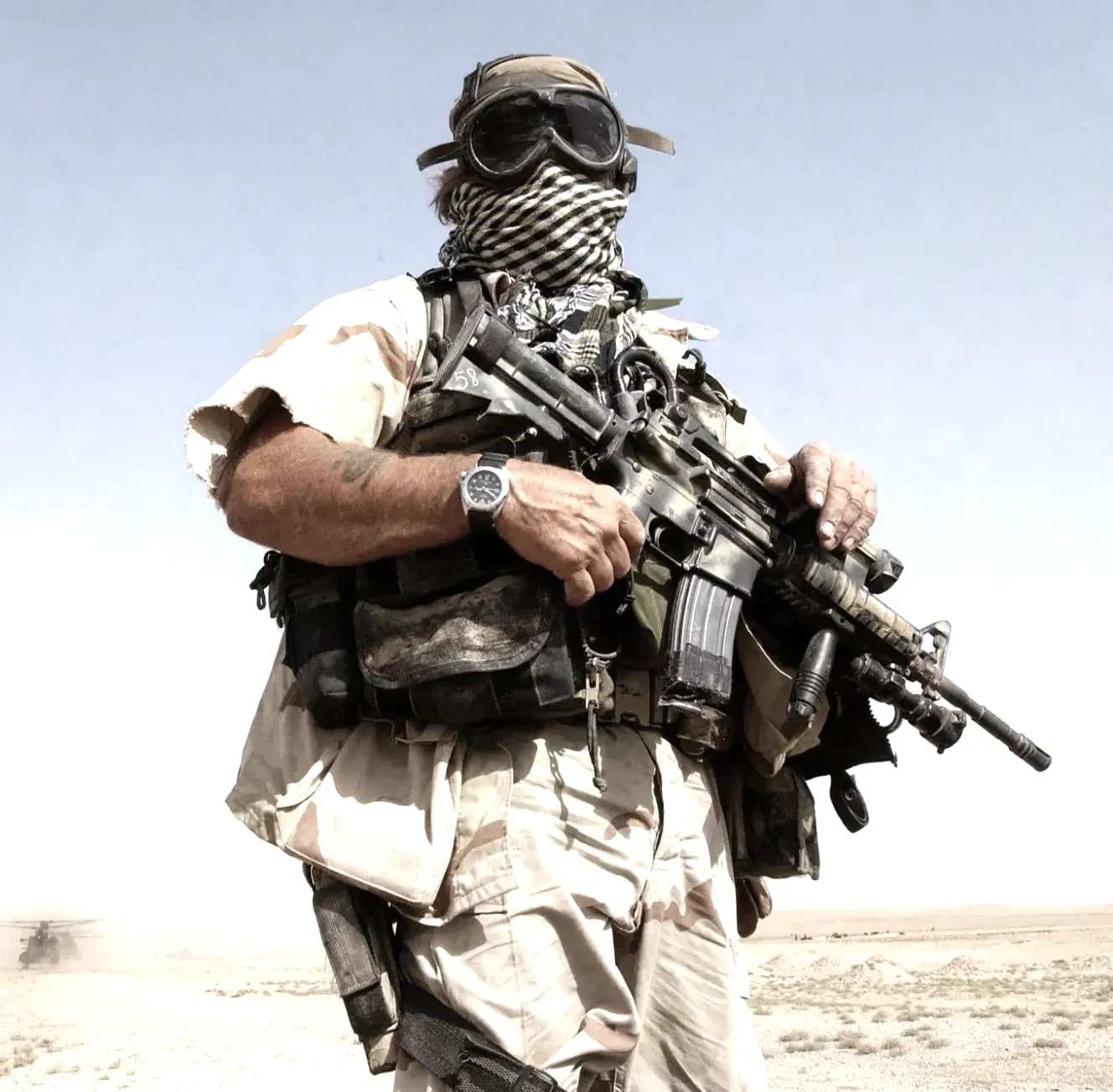


There’s a book called Hunting the Jackal, published in 2004 by a man named Billy Waugh, and if you submitted its contents as fiction to any editor in New York, it would come back in six weeks with a polite note about plausibility.
In the book, the protagonist tries to enlist in the Marines at fifteen, gets arrested hitchhiking across the New Mexico desert because he has no identification and refuses to give the police his name. He goes home, finishes high school with a 4.0, joins the Army at eighteen, and deploys to Korea with the 187th Airborne. He meets a couple of Green Berets on a train in Germany, volunteers on the spot, and earns one of the first berets issued by the newly formed Special Forces.
He deploys to Vietnam five times, where he trains irregular forces in the jungle, conducts night raids along the Ho Chi Minh Trail, and is shot in the knee, the ankle, the foot, and the forehead during a single engagement at Bong Son. Left between the lines and presumed dead by the enemy, he is pulled to safety by his commanding officer, Captain Paris Davis, who will wait nearly sixty years for the Medal of Honor the Army owed him for that fight.
The protagonist spends a year at Walter Reed, goes back to Vietnam, rises to command sergeant major of MACV-SOG, the most classified special operations unit of the war, and conducts the first combat HALO jump in military history, out of an aircraft over North Vietnamese-held territory with no night vision and no modern altimeter. He retires from the Army with eight Purple Hearts and a Silver Star.
And then he becomes a mailman.
That is the point where any fiction editor would put down the manuscript. Too heavy-handed. Too on-the-nose. The country's most experienced special operator, a man with more Purple Hearts than almost anyone in the history of the United States military, delivering letters for the Postal Service in Texas. If a novelist wrote that, the reviews would call it clumsy symbolism.