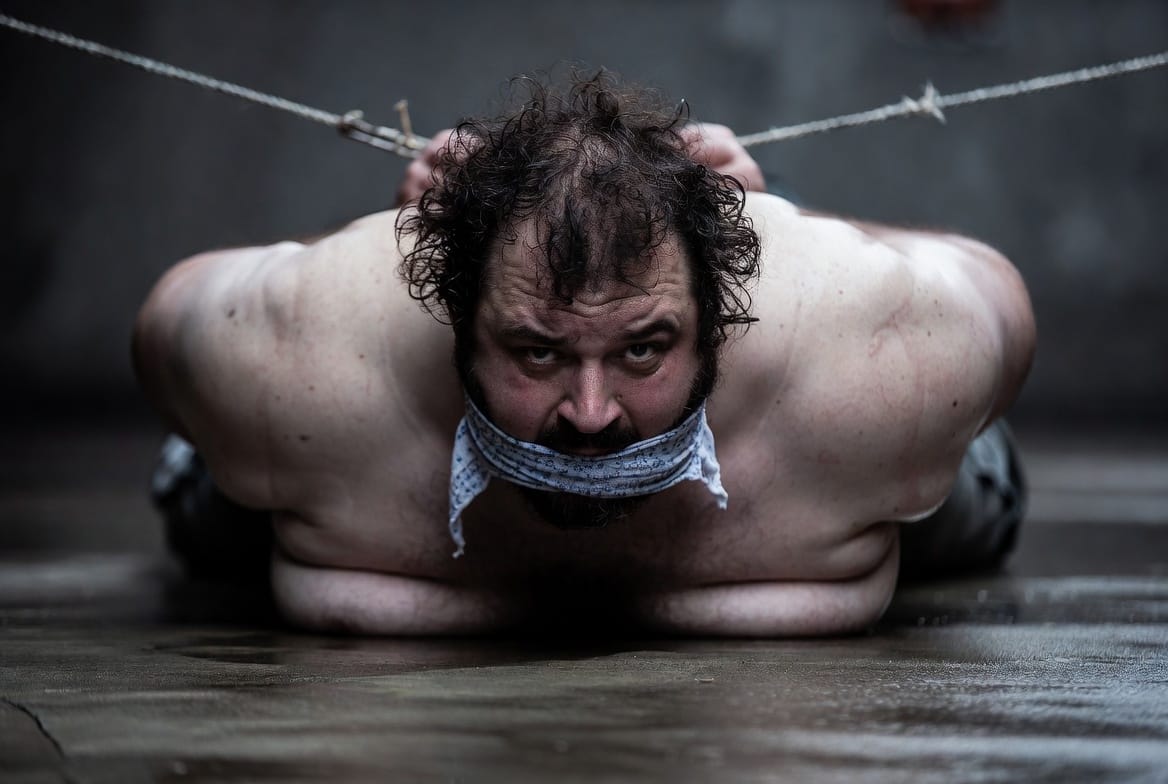


On the Ancient Art of Literary Revenge
The last thing anyone ever saw of Charlie Stine was a single bloody tooth. Root and all.
That's what Jackson Reed has to go on when he starts investigating. His friend, an acerbic podcaster with a talent for saying inflammatory things, has vanished. No body. No crime scene. Just one molar, recovered from a location I won't spoil, and enough unanswered questions to fill a case file.
Poor Charlie, the average thriller might want you to think.
Not me. At the time I wrote it, my feeling was more like: Fuck Charlie.
The Twitter Crush is a story about a girlie self-help guru who makes men disappear. Specifically, men who take pot shots at her work or, worse, look into her past. These men vanish. Nobody can prove anything. And her ghostwriter, the man who wrote the very words these podcasters mocked, slowly realizes that his missing friend might have had it coming.
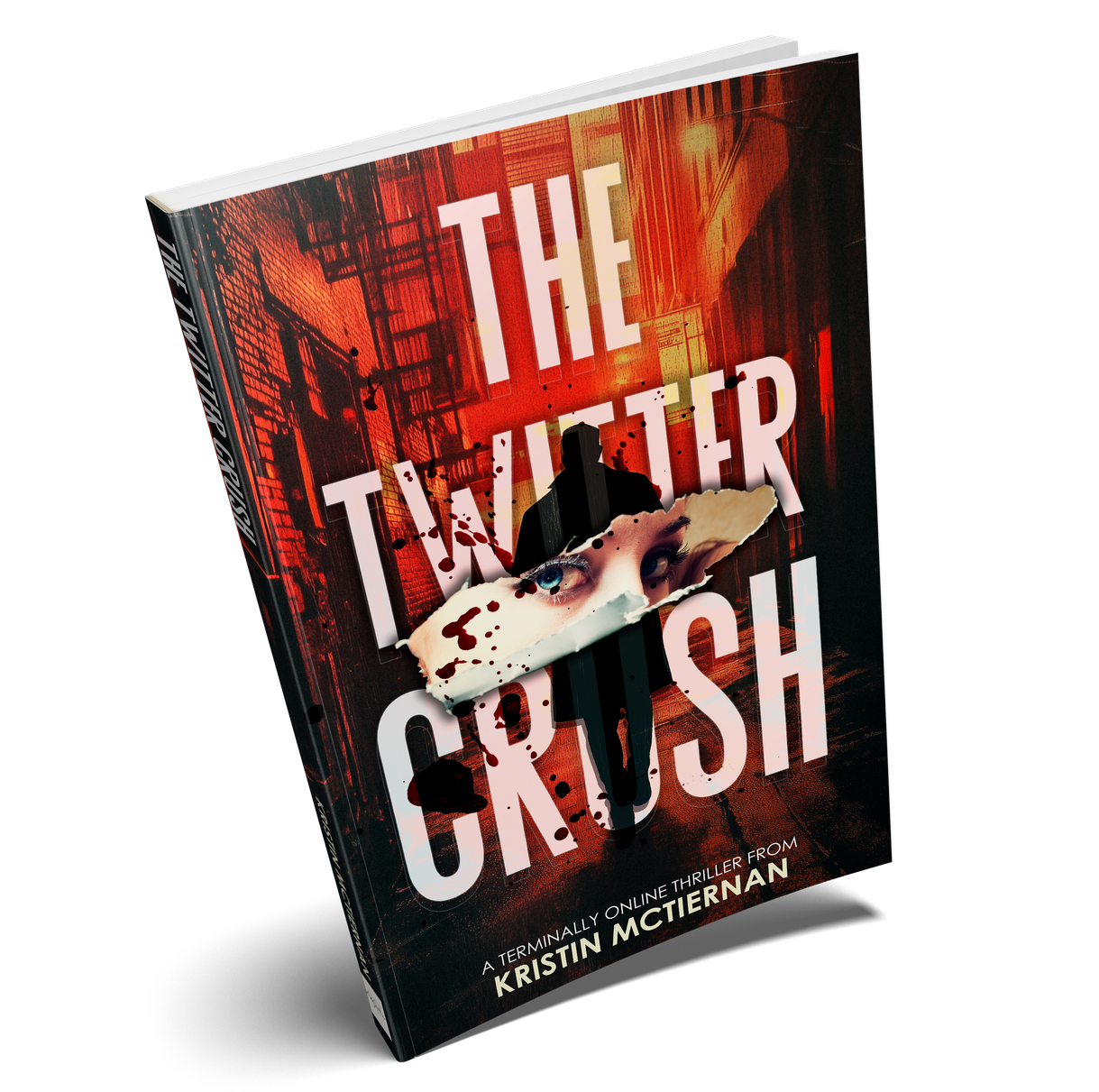
The book doesn't ask "whodunit." You know who did it. The question is whether you approve.
I wrote the first quarter of this book in a white-hot rage, and I'm hardly the first author to do so.
Dante Alighieri famously put his enemies in Hell. Literally.
In The Divine Comedy, the poet encounters Filippo Argenti—a real man, a political rival who'd seized Dante's property when he was exiled from Florence—wallowing in the River Styx among the wrathful. Dante relishes Argenti's suffering. He wishes for more, and Virgil praises him for the sentiment. Then they watch as the other damned souls tear Argenti to pieces.
Good times.