
On Throwaway Girls and the Psychopaths We’d Rather Be
“I have a meanness inside me, real as an organ. Slit me at my belly and it might slide out, meaty and dark, drop on the floor so you could stomp on it.”
—Libby Day, Dark Places
Every time a book sells into the stratosphere, there’s an army of marketing experts who try to reverse-engineer its success. They advise publishers to mimic the cover, the blurb, the tropes… anything really, often charging insane consulting prices just to hold up a bestseller and say, “Do this… but different.”
Gillian Flynn wrote three novels and the third is the one that hit. Gone Girl sold over twenty million copies and spawned an entire subgenre of domestic thrillers with “Girl” in the title. Her second book, Dark Places, got solid reviews, a film adaptation that disappeared into VOD oblivion, and a readership that could generously be called “cult.”
Including me.
Those of us who consider ourselves honorary members of the Kill Club are often baffled as to why it was Gone Girl that took off when Dark Places was so obviously, so clearly better.
The easy answer is that Gone Girl had a better hook, a tidier premise, a more marketable mystery. But the easy answer is wrong.
The real answer is uglier and I won’t keep you waiting: readers wanted to be Amy Dunne. Nobody wants to be Libby Day.
The Cool Girl and Her Aspirational Psychopaths
The “Cool Girl” monologue from Gone Girl became a cultural phenomenon because it gave women language for something they’d felt but couldn’t articulate. Amy’s evisceration of the performance expected of women—the “hot, brilliant, funny woman who adores football, poker, dirty jokes, and burping”—landed with the force of revelation. Women shared it on social media. They quoted it in arguments. They recognized themselves in it, either as former Cool Girls or as women who’d lost men to them.
The funny thing is that readers will know the Cool Girl speech works was penned by Diary Amy: A psychopath’s impression of normies, of lesser women, maybe even an out-and-out mockery of them.
Real Amy is terrifying and when she was revealed to readers, somehow instead of being angry at being deceived by the narration of the first half of the book, readers were enthralled. Amy reads as powerful.
Amy Dunne orchestrates. She plans for years. She frames her husband for murder with the precision of a chess grandmaster. She manipulates the media, the police, her parents, her ex-boyfriend, and ultimately the entire country. When things go wrong, she adapts. When she needs to kill, she kills. And in the end—spoiler alert for the three people who haven’t read it—she wins.
And more women than you are comfortable imagining resonated with that and dreamed of emulating it.
“If only I had a Nick of my very own.”
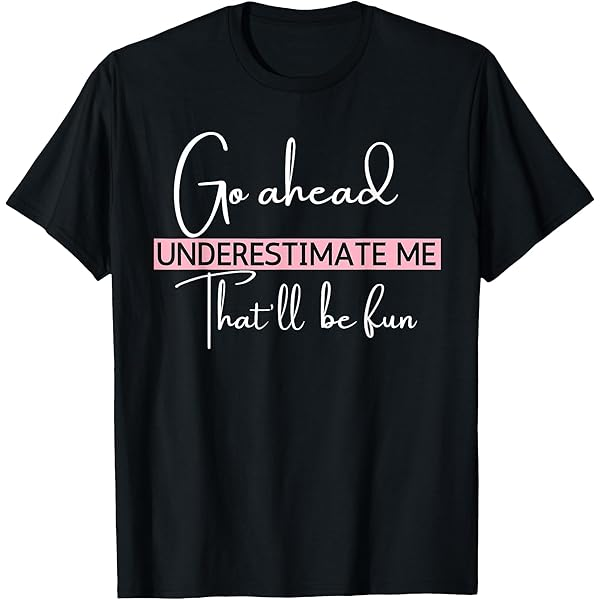
Women imagined themselves as the puppet master, one capable of making everyone who underestimated them pay.
The Throwaway Girl Nobody Wants to Be
Now read that opening quote from Dark Places again.
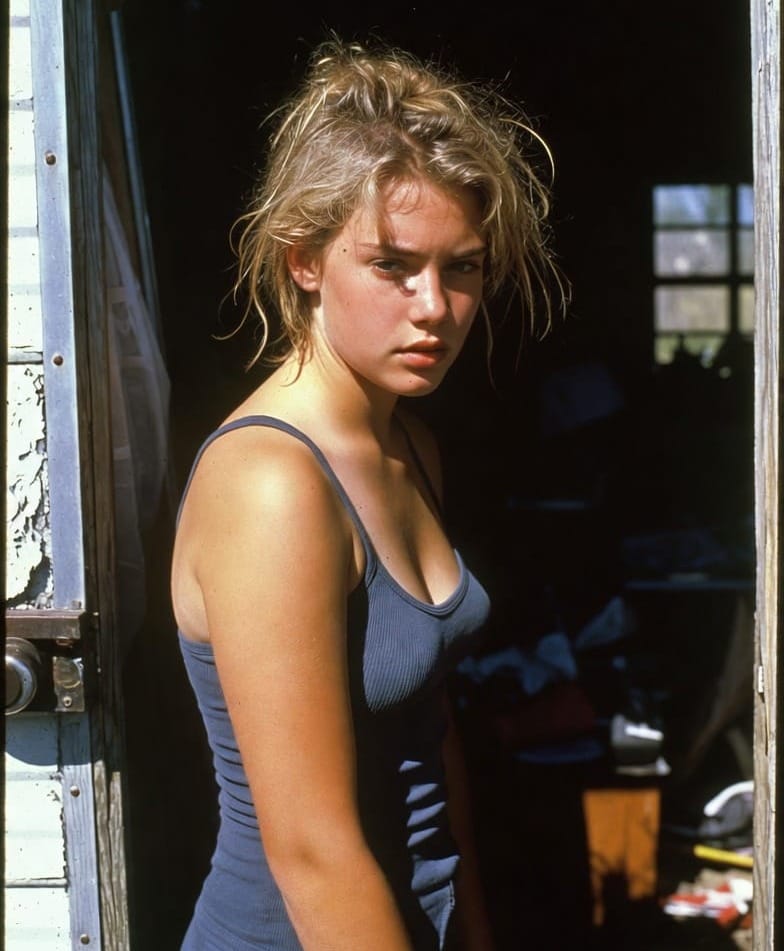
Libby Day describes her meanness like a tumor, something that’s infecting her and she can’t get rid of, minus slitting her belly open of course. She’s not winning at life. She’s barely surviving on the dwindling funds from a trust set up after her mother and two sisters were murdered and her brother was convicted of the crime. She was seven years old when it happened and has been shuffled between relatives who didn’t want her.
When we meet Libby, she’s almost broke. Desperate enough to use her family’s murder as cheap publicity to get those sweet, sweet sympathy bucks.
Flynn can write—that opening line proves it. But where Gone Girl opens with Nick asking the central question of the novel (Who is Amy and what is she capable of?), Dark Places opens with character establishment. We learn who Libby is before we learn what the book is about.
For most readers, Libby isn’t someone they want to spend time with.
The Quiet Theft of Poor Girls
The ones who do love Dark Places all have their own reasons. Mine is the sharp sense of recognition (in addition to the tight plot and amazing writing, of course). I recognize the meanness of Libby, and how easily I could have teetered into it if my life had gone a little less smoothly. I also recognize the places, and the people, and our lower-middle-class queen Gillian Flynn gets those details exactly right.
There’s a moment in Dark Places that brought me right back to junior high. Libby visits a woman connected to her family’s case—one of those girls who orbited the edges of the tragedy but was never important enough to be questioned properly. And Libby notices the woman has “sticky fingers.” She stole when she was young… and she still does it in middle age. Shoplifting. Small things. Lotions. Lip glosses. The cheap luxuries that feel like necessities when you’re young and poor and want to feel like a person instead of a problem.
Flynn doesn’t moralize about it. Libby doesn’t judge her for it when she sees the girl has nicked some of her own lotions. She leaves them right where she found them, understanding that it gives her a rare sense of control. Libby lets her have that.
I don’t think upper-class readers even register this moment. Or understand why they would steal something they have at home. In the case of the beauty products, be assured all those sticky-fingered girls have every surface of their bathroom counter covered with it. Every sample size perfume, travel-sized lotion from Bath & Body Works, the sparkly Bonnie Bell lip gloss that they’re too old to still want, and yet have every flavor.
Dark Places is full of these moments. The economic precarity of the Day family, the passive single mother who thinks she’s being kind by letting her son steamroll her, the children who love each other but fight like rats in a sack. The way poverty makes people vulnerable to predators, to cults, to anyone who offers a little bit of money or attention or belonging.
Libby Day isn’t aspirational because survival isn’t aspirational. She didn’t outsmart anyone. She didn’t get revenge. She hid while her family was murdered and then spent the next two decades being handed from one reluctant relative to another, living on sympathy money, becoming the kind of person who lies in bed and thinks about being dead.
That’s only a fantasy for Tumblr emo girls, and they went out of fashion a long time ago.
The Problem Nobody Remembers
Dark Places has another handicap that Gone Girl doesn’t: its central mystery requires understanding the Satanic Panic.
For readers over forty, this needs no explanation. The 1980s and early 1990s saw a genuine moral panic about Satanic ritual abuse, heavy metal music as a gateway to devil worship, and teenagers being recruited into murderous cults. Families were destroyed. People went to prison on testimony that was later recanted or discredited. People used hypnotism and “recovered memories” to give evidence about past abuse and, most outrageously, sent three boys to jail for most of their lives because they played Dungeons and Dragons and listened to heavy metal.
Small towns tore themselves apart looking for Satanists who didn’t exist.
Flynn weaves this brilliantly into Dark Places—Ben Day, Libby’s brother, gets caught up in the aesthetic of teenage rebellion (the metal shirts, the pentagrams, the posturing) at exactly the wrong moment in exactly the wrong town. The hysteria that convicts him is historically accurate and thematically rich.
But readers under thirty-five don’t remember the Satanic Panic. Or they think it was a media trend where goth kids got made fun of. They don’t feel it the way readers who lived through it do. The paranoia, the way normal teenage behavior got reinterpreted as evidence of demonic influence, the absolute certainty of people who were absolutely wrong—that’s illegible now.
Gone Girl, by contrast, requires no historical context. Everyone understands the “missing white woman” narrative. Everyone knows the script: the tearful husband on TV, the media circus, the statistical likelihood that he did it. Cable news has been rehearsing this story for decades. You don’t need to explain anything.
The hook does the work. The framework is pre-installed.
Sharp Objects: The Compromise Position
Flynn’s debut novel splits the difference, and its relative success (HBO adaptation, Emmy wins, prestige status) suggests she found the commercial sweet spot.
Camille Preaker has Libby’s trauma—a dead sister, a monstrous mother, damage so profound she’s carved words into her own flesh. But she also has markers readers can aspire to: she escaped to an actual city, she became a journalist, she has a professional identity that exists outside her damage.
The words are hidden. She wears long sleeves. The rebellion happens underneath, where no one can see it unless she lets them.
This is Midwest-appropriate damage. In Wind Gap, Missouri, girls are required to be nice. Wealth doesn’t announce itself the way it does on the coasts—no flashy cars, no obvious logos, no loud displays. Her mother’s family is rich, but their money whispers. Adora hosts parties and wears tasteful dresses and poisons her daughters slowly, politely, in a way that looks like devoted mothering from the outside.
Camille’s rebellion is quiet because that’s what’s permitted. She doesn’t scream or accuse or make scenes. She cuts words into her skin where her clothes cover them. She drinks, of course. And eventually, when pushed far enough, she solves the case and writes the story, but even her triumph is muted, and ends up not being a victory at all.
But to the outside world is looks like one. And in the Midwest-Nice culture, that’s all that matters.
What Flynn Actually Wrote
Here’s what gets lost when we reduce Flynn to the “domestic thriller” brand: across all three novels, she’s writing about how society creates its own monsters by discarding its girls.
Amy Dunne is a born psychopath; I don’t think there’s a reasonable argument that she was “nurtured” into being a monster. But even if she had been born normal, I think something would have gone screwy with her eventually. When her parents literally fictionalized her as “Amazing Amy,” and every iteration of herself was found wanting, she learned that the only way to be loved was to be a carefully constructed lie. She felt justified in her monstrosity, as all psychopaths do. But in her case, I think there’s something to it. Judging you, Amy’s parents. Judging you hard.
Camille is the wounded girl: I have no mouth yet I must scream. The child of abuse, all grown up… but not really. She survives by enduring, but the cost is carved into every inch of her skin. She was trained to be proper, to think of her mother’s reputation above all things, and push her own wants away, even when doing so would kill her.
Libby Day is the opposite, indulging in her wants to the point of self-harm. She doesn’t want to get a job. She doesn’t want to participate in life at all, but can’t quite bring herself to end it either. The victim who slaps away all help because accepting it, and trying to make things better, is just too scary. She survived her family’s murder by accident, and no one is particularly glad she did.
Flynn sees all of these women clearly. She writes them with compassion and precision and rage. She shows us the systems that created them, the failures that shaped them, the way they think of themselves with an unclouded stare.
The market preferred Amy. Camille came in as a close second. The market wanted the fantasy of power and the satisfaction of watching a woman who refuses to be dismissed. As a runner-up, they were happy to have the wounded bird with the heart of gold.
They were less inclined to sit with Libby, or imagine they could ever be her. Libby is the girl who didn’t get to be clever, at least not until she was backed into a corner, with no other option.
She was a throwaway girl. Not a Cool Girl.
And for the average reader, it seems that wasn’t appealing. A shame, really. But maybe the upcoming HBO series will inspire the next generation to give it a second look.
Maybe the Zoomers aren’t as prone as the Millennials to find a psychopath aspirational.
Fingers crossed.